 Suman Gautam
 Food adulteration is a serious concern in India. It occurs when the quality of food is intentionally or unintentionally reduced by adding inferior, harmful, or cheaper substances. Adulteration can affect the taste, nutritional value, and safety of food products. While government authorities regularly monitor food safety, consumers should also know how to recognize common signs of adulteration.
Fortunately, many everyday food items can be checked using simple methods at home. These basic tests cannot replace laboratory testing, but they may help you identify obvious impurities or suspicious products.
In this guide, you’ll learn about common food adulteration practices in India, simple ways to identify them, and tips for buying safer food.
Note: The home tests mentioned below are only preliminary checks and are not scientifically conclusive. If you suspect serious food adulteration, avoid consuming the product and report the issue to the appropriate food safety authorities.
What Is Food Adulteration?
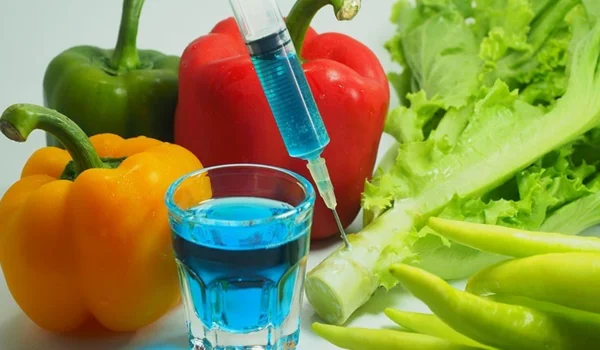
Food adulteration means lowering the quality or purity of food by:
- Adding cheaper substances
- Removing valuable ingredients
- Using artificial colors or chemicals
- Mixing spoiled or low-quality food with fresh products
- Improper storage leading to contamination
Some adulterants may be harmless, while others can pose health risks.
Why Does Food Adulteration Happen?
Some common reasons include:
- Increasing profits
- Reducing production costs
- Extending shelf life
- Meeting high market demand
- Poor quality control
- Improper handling and storage
Buying from trusted sellers can reduce the risk.
Common Adulterated Foods in India
| Food Item | Possible Adulteration |
| Milk | Water, starch, detergent, synthetic milk |
| Turmeric Powder | Artificial colors, starch |
| Chilli Powder | Brick powder, artificial color |
| Black Pepper | Papaya seeds |
| Honey | Sugar syrup |
| Tea Leaves | Artificial color, used tea leaves |
| Coffee Powder | Chicory, tamarind seed powder |
| Ghee | Vanaspati or cheaper oils |
| Mustard Oil | Mixing with cheaper edible oils |
| Pulses | Artificial polish or color |
| Green Vegetables | Artificial coloring agents |
| Sweets | Non-permitted synthetic colors |
Let’s understand how some of these foods may be checked at home.
- Milk
Milk is one of the most commonly adulterated food items.
Possible adulterants include:
- Water
- Starch
- Detergent
- Synthetic ingredients
Simple Home Checks
- Place a drop of milk on a smooth, slanted surface. Pure milk usually flows slowly, leaving a white trail, while heavily diluted milk may flow quickly without leaving much residue.
- Boil the milk and observe its consistency. Unusual foaming or abnormal texture may indicate poor quality, though it is not proof of adulteration.
If you suspect adulteration, avoid relying solely on home methods and consider laboratory testing or reporting the issue.
- Turmeric Powder
Turmeric powder may sometimes be mixed with artificial colors or starch.
Simple Home Check
Mix a small quantity in a glass of water without stirring immediately.
- Pure turmeric generally settles slowly at the bottom.
- Excessive artificial coloring may quickly spread into the water.
- Chilli Powder
Some low-quality chilli powder may contain brick powder or artificial coloring.
Simple Home Check
Add a spoonful to a glass of water.
- Brick powder may settle quickly.
- Artificial color may spread rapidly through the water.
- Black Pepper
Papaya seeds may sometimes resemble black pepper.
Simple Home Check
Examine the seeds carefully.
- Genuine black pepper is usually heavier, wrinkled, and has a characteristic aroma.
- Papaya seeds are generally smoother and lighter.
- Honey
Some honey products may contain added sugar syrup.
Simple Home Check
Place a small amount of honey in a glass of water.
- Pure honey generally settles at the bottom before mixing.
- Honey mixed with syrup may dissolve more quickly.
This is not a definitive test, as the behavior of honey can vary.
- Tea Leaves
Low-quality tea may contain used leaves or artificial colors.
Simple Home Check
Place a few dry tea leaves on moist filter paper or a damp white tissue.
If strong artificial color appears quickly without brewing, the product may be of poor quality.
- Coffee Powder
Coffee powder is sometimes mixed with chicory or other substances.
Simple Home Check
Sprinkle coffee powder on cold water.
Pure coffee tends to float for some time, while chicory often sinks faster and releases color quickly.
- Ghee
Ghee may occasionally be mixed with cheaper fats or oils.
What to Look For
- Unusual smell
- Abnormal texture
- Strange taste
- Suspiciously low price
Purchase ghee from reputable brands or trusted local producers.
- Pulses
Some pulses may be polished or artificially colored to improve appearance.
What to Check
- Excessive shine
- Unnatural color
- Uniform appearance
- Powdery residue
Wash pulses thoroughly before cooking.
- Fruits and Vegetables
Artificial colors or ripening agents may sometimes be used improperly.
Signs to Watch
- Extremely bright color
- Uniform appearance
- No natural smell
- Overly glossy surface
Wash fruits and vegetables well under running water before use.
Common Signs of Food Adulteration
You should be cautious if food has:
- Unusual smell
- Strange taste
- Excessive shine
- Artificially bright color
- Unexpected texture
- Very low price compared to similar products
- Damaged or missing labels
These signs do not always confirm adulteration but may indicate poor quality.
Tips to Buy Safe Food
You can reduce the risk by following these practices:
- Buy from trusted shops and brands.
- Check packaging before purchase.
- Read manufacturing and expiry dates.
- Avoid damaged or leaking packages.
- Purchase seasonal fruits and vegetables.
- Store food properly at home.
- Wash produce thoroughly before consumption.
Good storage habits also help prevent spoilage.
Food Safety in India
Food safety in India is regulated by the Food Safety and Standards Authority of India (FSSAI). The authority sets standards for food quality, packaging, labeling, manufacturing, and distribution.
Consumers should look for:
- Proper labeling
- Manufacturing details
- Expiry date
- Batch number
- FSSAI license number (where applicable)
These details can help you make informed purchasing decisions.
What to Do If You Suspect Food Adulteration
If you believe a food product may be adulterated:
- Stop consuming the product.
- Keep the packaging and purchase receipt if available.
- Contact the seller for clarification.
- Report serious concerns to the appropriate food safety authorities in your state or through official consumer grievance channels.
Avoid making assumptions based only on home tests, as laboratory analysis is required for confirmation.
Frequently Asked Questions
What is food adulteration?
Food adulteration is the reduction of food quality or purity by adding inferior, unwanted, or harmful substances or by removing valuable ingredients.
Which foods are most commonly adulterated?
Milk, spices, honey, edible oils, tea, coffee, pulses, sweets, and some fruits and vegetables are among the foods that are commonly discussed in relation to adulteration.
Are home tests completely reliable?
No. Home tests are only preliminary checks and cannot confirm adulteration with certainty. Laboratory testing is the most reliable method.
How can I reduce the risk of buying adulterated food?
Buy from trusted sellers, check labels carefully, inspect packaging, avoid unusually cheap products, and purchase from reputable brands whenever possible.
Who regulates food safety in India?
The Food Safety and Standards Authority of India (FSSAI) is responsible for setting food safety standards and regulating food businesses across the country.
Conclusion
Food adulteration remains an important consumer awareness issue in India, but informed buying habits can significantly reduce the risk. Paying attention to packaging, labels, product quality, and purchasing from reliable sources are some of the best ways to protect yourself and your family.
While simple home checks may help identify obvious impurities, they should never be treated as definitive proof of adulteration. If you suspect that a food product is unsafe, avoid consuming it and seek assistance from the appropriate food safety authorities. Staying informed and making careful purchasing decisions are the best ways to ensure the food on your table is safe and nutritious.

No comments yet