 Suman Gautam
It’s hard to top the annoyance of spending ages making a mountain of rotis, only to end up with a tough stack by dinnertime. You think everything’s under control, so what’s the problem? Usually, it all comes down to a handful of simple things – how much water you used, how you handled the dough, and whether you let it rest long enough. Starting with the bharat atta helps, and there’s no doubt about it, but the dough also needs some attention.
Figure Out the Water
Let’s say you’re using 2 cups of atta. Use about ¾ cup of lukewarm water, but don’t just dump it in. Add it gradually, mixing with your fingers as you go. Every atta brand sucks up water a little differently, so feel it out.
Once the dough is shaggy and begins sticking together, form it into a loose ball by using your palm. Should it become cracked or dry, just add a teaspoon of water. In case it becomes too sticky, do not worry and start sprinkling flour – little by little – into it. Knead for a minute and see if that fixes it.
Get Your Kneading Right
This is where your effort counts. It will take approximately 6 to 8 minutes. You simply need to use your hand to push the dough back while folding. In order to make sure that the dough is folded properly, you have to turn the dough now and again. The dough must not be very soft either. If you press the dough and it springs back to its shape instantly, then it is perfect.
Let the Dough Rest
Here’s what most people rush, but you don’t need to. Cover your dough with a damp towel or plate and let it sit for at least 15–20 minutes. If you’ve got more time, let it go for 30. Seriously, it makes a difference. Resting lets the flour soak up water properly. The gluten chills out, so your dough rolls out like a dream, not like a wrestling match.
Roll Gently, Don’t Overdo the Flour
Break the dough into equal little balls. Flatten one, dust with the bare minimum dry flour, and roll from the centre outward, turning as you go. No need to attack in one direction. If you over-flour, you’ll end up with dry rotis. If it sticks, just add a whisper of flour; no need to make a snowstorm out of it.
Tawa Time: Don’t Rush
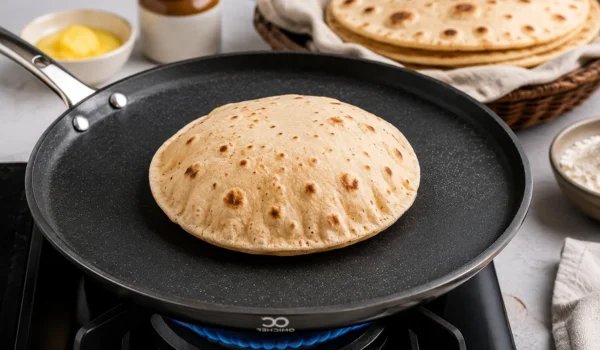
Heat that tawa properly before getting started. Drop your rolled roti on, let bubbles appear, then flip. Wait for pale brown spots on side two, flip again, and if you’re making phulkas, finish directly over a medium flame till it puffs. Don’t wander off because one extra moment and you’ve got shoe leather.
Keep Your Atta Game Strong
Running out of atta in the middle of making dough is a pain. Stay stocked by ordering bharat atta along with your groceries so your pantry’s never caught empty. Once you have the basics down – correct water measurement, enough kneading, proper rest, and a hot tawa – making soft rotis every day stops being a headache. There’s no single secret; it’s just small habits that make a big difference.

No comments yet