 Suman Gautam
 Vitamins are essential nutrients that help your body grow, stay healthy, and function properly. They support immunity, improve vision, strengthen bones, boost energy, and keep your skin and brain healthy. While supplements are sometimes necessary, getting vitamins from natural foods is the best option for most people.
Indian cuisine offers a wide variety of vitamin-rich foods, from fresh fruits and vegetables to dairy products, pulses, nuts, and whole grains. This guide explains the best Indian foods for every vitamin and how to include them in your daily diet.
Why Vitamins Are Important
Your body needs vitamins for many essential functions, including:
- Building a strong immune system
- Maintaining healthy bones and teeth
- Supporting brain function
- Improving skin and eye health
- Producing energy
- Healing wounds
- Protecting cells from damage
Eating a balanced diet with different food groups helps ensure you get all the vitamins your body needs.
Vitamin A Rich Indian Foods
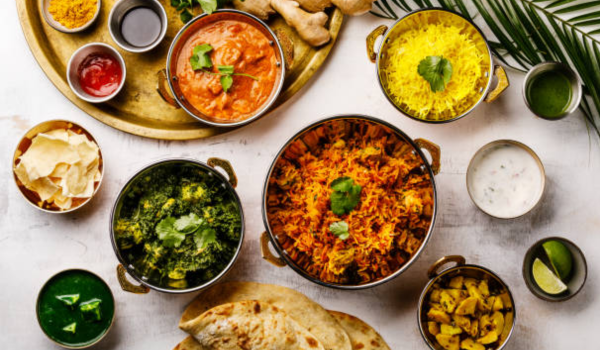
Vitamin A supports healthy vision, skin, and immunity.
Best Indian Sources
- Carrots
- Sweet potatoes (Shakarkandi)
- Spinach (Palak)
- Fenugreek leaves (Methi)
- Pumpkin (Kaddu)
- Drumstick leaves (Moringa)
- Mangoes
- Papaya
- Milk
- Butter
- Egg yolk
Benefits
- Improves eyesight
- Supports immune health
- Maintains healthy skin
- Promotes cell growth
Vitamin B1 (Thiamine) Rich Foods
Vitamin B1 helps convert food into energy and supports the nervous system.
Indian Food Sources
- Brown rice
- Whole wheat
- Bajra
- Jowar
- Moong dal
- Masoor dal
- Groundnuts
- Sunflower seeds
- Sesame seeds
Benefits
- Supports brain function
- Improves energy production
- Keeps nerves healthy
Vitamin B2 (Riboflavin) Rich Foods
Riboflavin helps maintain healthy skin and eyes.
Indian Sources
- Milk
- Curd
- Paneer
- Eggs
- Almonds
- Mushrooms
- Spinach
Benefits
- Healthy skin
- Better vision
- Energy production
Vitamin B3 (Niacin) Rich Foods
Niacin supports digestion, skin health, and brain function.
Best Foods
- Chicken
- Fish
- Peanuts
- Brown rice
- Whole wheat
- Mushrooms
- Green peas
Benefits
- Healthy nervous system
- Better digestion
- Supports metabolism
Vitamin B5 (Pantothenic Acid) Rich Foods
Vitamin B5 helps produce hormones and energy.
Indian Sources
- Mushrooms
- Eggs
- Yogurt
- Chicken
- Lentils
- Sweet potatoes
- Avocados
Benefits
- Supports hormone production
- Helps convert food into energy
Vitamin B6 Rich Foods
Vitamin B6 is important for brain development and immunity.
Best Indian Foods
- Bananas
- Potatoes
- Chickpeas (Chana)
- Fish
- Chicken
- Sunflower seeds
- Spinach
Benefits
- Brain health
- Red blood cell production
- Strong immune system
Vitamin B7 (Biotin) Rich Foods
Biotin supports healthy hair, skin, and nails.
Indian Sources
- Eggs
- Peanuts
- Almonds
- Walnuts
- Soybeans
- Sweet potatoes
- Mushrooms
Benefits
- Healthy hair
- Strong nails
- Good skin health
Vitamin B9 (Folate) Rich Foods
Folate is especially important during pregnancy.
Rich Indian Foods
- Spinach
- Mustard greens (Sarson)
- Lentils
- Black-eyed peas (Lobia)
- Chickpeas
- Oranges
- Beetroot
- Avocado
Benefits
- Healthy pregnancy
- DNA production
- Red blood cell formation
Vitamin B12 Rich Foods
Vitamin B12 is mainly found in animal foods.
Indian Sources
- Milk
- Curd
- Paneer
- Cheese
- Eggs
- Fish
- Chicken
- Meat
Vegetarian Options
Strict vegetarians may need:
- Fortified breakfast cereals
- Fortified plant-based milk
- Nutritional yeast (fortified)
Some people, especially vegans, may require a Vitamin B12 supplement after consulting a healthcare professional.
Benefits
- Healthy nerves
- Brain function
- Red blood cell production
Vitamin C Rich Indian Foods
Vitamin C is a powerful antioxidant.
Best Indian Sources
- Amla (Indian gooseberry)
- Guava
- Oranges
- Lemons
- Sweet lime (Mosambi)
- Kiwi
- Tomatoes
- Bell peppers
- Broccoli
- Cabbage
Benefits
- Strong immunity
- Healthy skin
- Better iron absorption
- Faster wound healing
Vitamin D Rich Foods
Vitamin D helps absorb calcium and maintain strong bones.
Indian Food Sources
- Egg yolk
- Fatty fish (Salmon, Sardines, Mackerel)
- Fortified milk
- Fortified yogurt
- Fortified cereals
- Mushrooms exposed to sunlight
Natural Source
Sunlight is the primary source of Vitamin D. Spending 10–30 minutes in the morning sun several days a week may help your body produce enough Vitamin D, depending on your skin type, location, and season.
Benefits
- Strong bones
- Better immunity
- Muscle health
Vitamin E Rich Foods
Vitamin E protects body cells from damage.
Indian Sources
- Almonds
- Sunflower seeds
- Peanuts
- Spinach
- Avocado
- Wheat germ
- Vegetable oils
Benefits
- Healthy skin
- Good immunity
- Antioxidant protection
Vitamin K Rich Foods
Vitamin K is essential for blood clotting and bone health.
Best Indian Foods
- Spinach
- Fenugreek leaves
- Mustard greens
- Cabbage
- Broccoli
- Cauliflower
- Spring onions
Benefits
- Blood clotting
- Bone strength
Simple Indian Meal Plan for Daily Vitamins
Breakfast
- Vegetable poha with peanuts
- Glass of milk
- One orange or guava
Mid-Morning Snack
- Amla or seasonal fruit
- Handful of almonds
Lunch
- Whole wheat chapati
- Dal
- Palak sabzi
- Salad
- Curd
Evening Snack
- Roasted chana
- Coconut water or buttermilk
Dinner
- Brown rice or millet roti
- Mixed vegetable curry
- Paneer or grilled fish
- Cucumber salad
Tips to Get All Vitamins Naturally
- Eat fruits of different colors every day.
- Include leafy green vegetables in your meals.
- Choose whole grains over refined grains.
- Eat seasonal fruits and vegetables.
- Include pulses, beans, and lentils regularly.
- Add nuts and seeds to your diet.
- Drink enough water.
- Get safe sunlight exposure for Vitamin D.
- Avoid overcooking vegetables, as it can reduce vitamin content.
Signs You May Have a Vitamin Deficiency
Common symptoms of vitamin deficiencies include:
- Frequent infections
- Constant tiredness
- Hair fall
- Dry skin
- Poor wound healing
- Mouth ulcers
- Weak bones
- Muscle weakness
- Vision problems
- Tingling in hands and feet
If these symptoms persist, consult a healthcare provider. They may recommend blood tests and appropriate treatment.
Frequently Asked Questions
Which Indian food contains the most vitamins?
No single food contains every vitamin. However, spinach, amla, eggs, milk, lentils, and a variety of seasonal fruits and vegetables together provide a broad range of essential vitamins.
Can vegetarians get all vitamins naturally?
Vegetarians can obtain most vitamins through a balanced diet. However, Vitamin B12 is found mainly in animal-based foods, so fortified foods or supplements may be needed, especially for vegans.
Which fruit has the highest Vitamin C?
Amla (Indian gooseberry) is one of the richest natural sources of Vitamin C, followed by guava, oranges, and lemons.
Do cooking methods affect vitamin content?
Yes. Water-soluble vitamins like Vitamin C and some B vitamins can be lost during prolonged cooking. Steaming, stir-frying, or cooking with minimal water helps preserve nutrients.
Final Thoughts
A healthy Indian diet can provide nearly all the vitamins your body needs when it includes a variety of fruits, vegetables, whole grains, pulses, dairy products, nuts, seeds, and, where appropriate, eggs or fish. Eating colorful, seasonal foods and following a balanced meal plan is one of the simplest ways to meet your daily vitamin requirements.
If you suspect a vitamin deficiency or have special dietary needs, seek advice from a qualified healthcare professional before taking supplements.

No comments yet