 Suman Gautam
 Insurance is one of the most important tools for protecting your finances, but your insurance needs change as your life changes. A college graduate, a newly married couple, a parent, and a retiree all face different financial responsibilities and risks. Buying the right insurance at the right time can help you prepare for unexpected events and reduce financial stress.
Many people either buy insurance too late or purchase policies that don’t match their current needs. Understanding which types of insurance are most relevant at each stage of life can help you make informed financial decisions.
This guide explains the insurance you may need at different stages of life and the factors to consider before buying a policy.
Why Insurance Needs Change Over Time
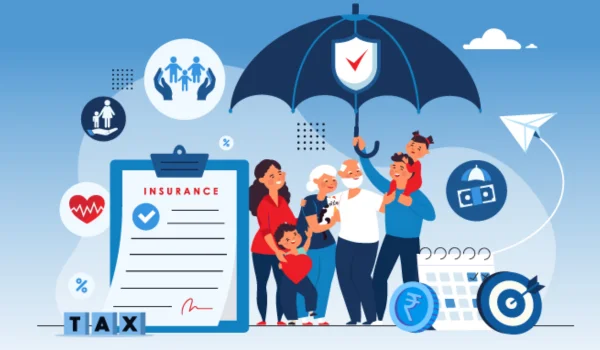
As you move through different life stages, your income, responsibilities, and financial goals evolve.
For example:
- A young professional may focus on health insurance.
- A married couple may want life insurance for financial protection.
- Parents often plan for their children’s future.
- Older adults may prioritize healthcare and retirement planning.
Reviewing your insurance regularly ensures that your coverage keeps pace with your changing lifestyle.
Insurance Checklist by Life Stage
| Life Stage | Insurance to Consider |
| 20s | Health Insurance, Personal Accident Insurance |
| 30s | Health Insurance, Term Life Insurance, Motor Insurance |
| 40s | Health Insurance, Life Insurance, Critical Illness Insurance |
| 50s | Comprehensive Health Insurance, Life Insurance Review, Home Insurance |
| 60+ | Senior Citizen Health Insurance, Personal Accident Cover (if suitable), Travel Insurance (when required) |
The exact insurance you need depends on your income, family responsibilities, existing coverage, and financial goals.
Insurance in Your 20s
Most people begin their careers during this stage. Although financial responsibilities may be lower, this is often a good time to start building financial protection.
Health Insurance
Even if you are healthy, medical expenses can arise unexpectedly.
Buying health insurance early may offer benefits such as:
- Financial protection against medical expenses
- Continuous coverage
- Potentially lower premiums for younger applicants, depending on the insurer
Personal Accident Insurance
An accident can lead to medical expenses or loss of income.
A personal accident policy may provide financial assistance in situations covered by the policy, such as accidental disability or accidental death.
Employer Insurance Isn’t Always Enough
Many employers provide health insurance, but remember:
- It usually ends when you leave the company.
- Coverage limits may not be sufficient.
- Family members may not always be covered.
Many professionals choose to maintain an individual health insurance policy in addition to employer coverage.
Insurance in Your 30s
Financial responsibilities often increase during this decade.
Common life events include:
- Marriage
- Buying a home
- Starting a family
- Taking loans
Term Life Insurance
If your family depends on your income, term life insurance can provide financial support to your nominees if you pass away during the policy term, subject to policy conditions.
It is generally considered one of the simplest forms of life insurance for income protection.
Health Insurance
Review your health insurance to ensure it matches your family’s healthcare needs.
If you have a spouse or children, consider whether family coverage is appropriate.
Motor Insurance
If you own a vehicle, maintaining the legally required motor insurance is essential. You may also consider broader coverage depending on your needs.
Insurance in Your 40s
This is often the stage when financial responsibilities reach their highest level.
Review Your Life Insurance
Check whether your existing life insurance is still adequate.
Factors to consider include:
- Outstanding loans
- Children’s education
- Household expenses
- Future financial goals
Critical Illness Insurance
Treatment for serious illnesses can be expensive.
A critical illness policy or rider may provide a lump-sum benefit if you are diagnosed with a covered illness and meet the policy conditions.
Continue Health Insurance
Do not discontinue health insurance simply because you have not made claims.
Medical costs generally increase with age.
Insurance in Your 50s
As retirement approaches, protecting accumulated savings becomes increasingly important.
Review Existing Policies
Check:
- Coverage amounts
- Policy terms
- Nominee details
- Renewal dates
Update policies whenever major life changes occur.
Comprehensive Health Insurance
Healthcare expenses often become a larger part of the household budget.
Review whether your existing health insurance remains suitable for your needs.
Home Insurance
If you own a house, home insurance can help protect against certain covered risks, depending on the policy.
Insurance After 60
Insurance priorities often shift toward healthcare and financial protection.
Senior Citizen Health Insurance
Several insurers offer health insurance products designed for senior citizens.
Before purchasing:
- Check waiting periods.
- Understand exclusions.
- Compare coverage options.
- Review co-payment requirements, if applicable.
Travel Insurance
If you travel frequently, especially internationally, travel insurance may help cover eligible risks such as medical emergencies, trip cancellations, or baggage loss, depending on the policy.
Insurance That Most Families Should Consider
While every situation is different, many households consider the following:
| Insurance Type | Purpose |
| Health Insurance | Covers eligible medical expenses |
| Term Life Insurance | Provides financial protection for dependents |
| Motor Insurance | Protects against vehicle-related risks and fulfills legal requirements where applicable |
| Home Insurance | Protects property against covered risks |
| Personal Accident Insurance | Covers certain accident-related risks |
| Travel Insurance | Provides protection during domestic or international travel |
The suitability of each policy depends on your personal circumstances.
How to Choose the Right Insurance
Before buying any insurance policy:
- Assess your financial responsibilities.
- Estimate the coverage you may need.
- Compare multiple insurers.
- Read the policy wording carefully.
- Understand exclusions and waiting periods.
- Review the claim process.
- Purchase only from authorized insurers or licensed intermediaries.
Choosing the right policy is more important than simply choosing the lowest premium.
Common Insurance Mistakes
Many people make mistakes such as:
- Buying insurance too late
- Depending only on employer coverage
- Choosing policies based solely on price
- Ignoring policy exclusions
- Not updating nominees
- Failing to review insurance regularly
Regular reviews help ensure your insurance continues to meet your needs.
Tips for Better Insurance Planning
Follow these good practices:
- Review your insurance every year.
- Increase coverage as your responsibilities grow.
- Inform your family about your policies.
- Keep policy documents organized.
- Compare policies before renewal.
- Buy insurance based on your financial goals rather than sales promotions.
A thoughtful insurance plan can provide long-term peace of mind.
Frequently Asked Questions
At what age should I buy insurance?
There is no fixed age. Many people begin with health insurance in their 20s and add other types of insurance as their financial responsibilities increase.
Is health insurance necessary if I am healthy?
Medical emergencies can happen unexpectedly. Health insurance helps provide financial protection against eligible healthcare expenses, regardless of your current health.
Do married couples need life insurance?
If one or both partners have financial dependents or outstanding financial obligations, life insurance may provide valuable financial protection.
Should I continue health insurance after retirement?
Yes. Healthcare expenses often increase with age, making continued health insurance an important consideration for many retirees.
How often should I review my insurance policies?
Review your insurance at least once a year and after major life events such as marriage, the birth of a child, purchasing a home, or retirement.
Conclusion
Insurance is not a one-time purchase—it should evolve as your life changes. The right coverage at the right stage can help protect your income, support your family, and reduce the financial impact of unexpected events.
Whether you’re starting your career, raising a family, or planning for retirement, reviewing your insurance needs regularly and choosing policies that match your responsibilities can help build a stronger financial future.

No comments yet