 Suman Gautam
 Every Indian kitchen is filled with ingredients that have been used for generations. From grains and lentils to spices and cooking oils, these everyday staples are the foundation of balanced Indian meals. Besides adding flavor and aroma, many of these ingredients provide essential nutrients that support overall health.
While no single ingredient can replace a healthy lifestyle or cure diseases, regularly including a variety of wholesome foods in your diet can help meet your nutritional needs. Most Indian kitchen staples are affordable, widely available, and suitable for a range of traditional recipes.
In this guide, we’ll explore the most common Indian kitchen staples, their nutritional benefits, and simple ways to use them in your daily meals.
Why Indian Kitchen Staples Are Important
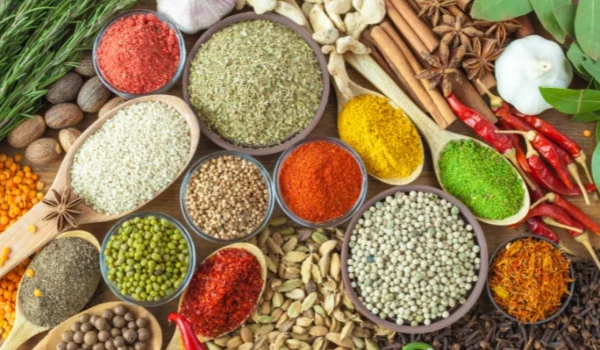
Traditional Indian ingredients offer several advantages:
- Rich in essential nutrients
- Easy to include in daily cooking
- Affordable for most households
- Suitable for vegetarian and non-vegetarian meals
- Versatile across different cuisines
- Available throughout the year
A balanced diet is built on a variety of these staples rather than relying on one “superfood.”
Common Indian Kitchen Staples at a Glance
| Ingredient | Main Nutrients | Common Uses |
| Rice | Carbohydrates | Meals, Khichdi, Pulao |
| Wheat Flour (Atta) | Carbohydrates, Fiber* | Roti, Paratha |
| Lentils (Dal) | Protein, Fiber | Dal, Soups |
| Chickpeas (Chana) | Protein, Iron | Curry, Chaat |
| Millets | Fiber, Minerals | Roti, Upma, Porridge |
| Turmeric | Antioxidants | Curries, Rice |
| Cumin | Minerals | Tempering, Spice Mixes |
| Coriander | Vitamins | Curries, Chutneys |
| Ginger | Natural Plant Compounds | Tea, Curries |
| Garlic | Plant Compounds | Dal, Vegetables |
| Curd | Protein, Calcium | Meals, Raita |
| Ghee | Healthy Fats | Roti, Dal, Rice |
*Whole wheat atta generally contains more fiber than refined flour (maida).
Let’s explore these staples in detail.
- Rice
Rice is a staple food in many Indian households and forms the base of countless meals.
Common Uses
- Steamed rice
- Pulao
- Biryani
- Khichdi
- Lemon rice
- Curd rice
Nutritional Benefits
- Good source of carbohydrates
- Provides energy
- Easy to digest for many people
- Pairs well with protein-rich foods like dal
Brown rice generally contains more fiber than polished white rice.
- Whole Wheat Flour (Atta)
Whole wheat flour is widely used to prepare Indian breads.
Common Uses
- Roti
- Chapati
- Paratha
- Poori
- Thepla
Nutritional Benefits
- Provides carbohydrates
- Contains dietary fiber
- Supplies B vitamins and minerals
Whole wheat products can be more filling than refined flour products.
- Lentils (Dal)
Dal is one of the most nutritious and affordable foods in India.
Popular varieties include:
- Toor Dal
- Moong Dal
- Masoor Dal
- Urad Dal
- Chana Dal
Benefits
- Rich in plant protein
- High in fiber
- Contains iron
- Supports a balanced vegetarian diet
Dal is commonly served with rice or roti.
- Chickpeas (Chana)
Chickpeas are used in both traditional and modern recipes.
Common Dishes
- Chole
- Chana Masala
- Chaat
- Salads
- Snacks
Benefits
- High in protein
- Rich in fiber
- Contains iron and folate
- Helps keep you full for longer
- Millets
Millets have become increasingly popular because of their nutritional value.
Common varieties include:
- Bajra
- Jowar
- Ragi
- Foxtail Millet
- Kodo Millet
Benefits
- Rich in fiber
- Good source of minerals
- Naturally gluten-free (in their pure form)
- Can add variety to meals
Millets can be used in rotis, porridge, dosa, and khichdi.
- Turmeric (Haldi)
Turmeric is one of the most commonly used spices in Indian cooking.
Benefits
- Contains curcumin
- Rich in antioxidant compounds
- Adds color and flavor to food
Common Uses
- Vegetable curries
- Dal
- Rice dishes
- Turmeric milk
- Cumin (Jeera)
Cumin is an essential spice used in tempering and spice blends.
Benefits
- Adds flavor to dishes
- Contains minerals such as iron
- Used in many traditional recipes
Common Uses
- Dal
- Rice
- Vegetable dishes
- Raita
- Coriander (Dhania)
Both coriander seeds and fresh coriander leaves are widely used.
Benefits
- Contains vitamins and antioxidants
- Adds freshness to meals
Common Uses
- Garnishing
- Chutneys
- Spice powders
- Curries
- Ginger (Adrak)
Ginger has been used in Indian kitchens for centuries.
Benefits
- Contains natural plant compounds
- Adds flavor to food and beverages
Common Uses
- Tea
- Curries
- Soups
- Chutneys
- Garlic (Lehsun)
Garlic is another common ingredient in Indian cooking.
Benefits
- Contains beneficial plant compounds
- Adds rich flavor to dishes
Common Uses
- Dal
- Vegetable curries
- Chutneys
- Marinades
- Curd (Dahi)
Curd is enjoyed across India in many forms.
Benefits
- Rich in protein
- Good source of calcium
- Contains probiotics that support gut health
Popular Dishes
- Raita
- Curd rice
- Lassi
- Buttermilk
- Ghee
Ghee has been part of Indian cooking for generations.
Benefits
- Contains healthy fats
- Adds flavor to food
- Includes fat-soluble vitamins
Moderation is important because ghee is calorie-dense.
Other Useful Kitchen Staples
Many Indian kitchens also keep:
- Mustard seeds
- Fenugreek seeds
- Asafoetida (Hing)
- Curry leaves
- Tamarind
- Jaggery
- Coconut
- Black pepper
- Cardamom
- Cinnamon
These ingredients add flavor while contributing various nutrients and plant compounds.
Building a Balanced Indian Plate
A nutritious Indian meal often includes:
- Whole grains like rice or roti
- Protein from dal, beans, or paneer
- Seasonal vegetables
- Fresh salad
- Curd or buttermilk
- Fruits as a snack or dessert
Combining different food groups helps provide a wider range of nutrients.
Tips for a Healthier Kitchen
Simple changes can improve your family’s diet:
- Use whole grains more often.
- Include different types of lentils each week.
- Add seasonal vegetables to meals.
- Limit highly processed foods.
- Use spices for flavor instead of excessive salt.
- Cook with appropriate amounts of oil.
Small improvements can make everyday meals more nutritious.
Common Myths About Kitchen Staples
Myth 1: Rice always causes weight gain.
Fact: Rice can be part of a balanced diet. Overall calorie intake, portion size, and physical activity are more important than any single food.
Myth 2: Ghee should be completely avoided.
Fact: Ghee can be included in moderation as part of a balanced diet unless your healthcare provider advises otherwise.
Myth 3: Only expensive foods are nutritious.
Fact: Affordable staples like dal, rice, millets, curd, and seasonal vegetables provide excellent nutrition.
Frequently Asked Questions
Which Indian kitchen staple is highest in protein?
Lentils, chickpeas, rajma, soy products, and other legumes are among the richest plant-based protein sources commonly found in Indian kitchens.
Are Indian spices healthy?
Many Indian spices contain beneficial plant compounds and antioxidants. They add flavor and can be part of a healthy, balanced diet.
Can I replace rice with millets?
Yes. Millets can be a nutritious alternative to rice in many meals. Rotating between different grains adds variety to your diet.
Why is curd considered healthy?
Curd provides protein, calcium, and probiotics that support digestive health. It is commonly included as part of balanced Indian meals.
How can I make my daily meals healthier?
Include whole grains, lentils, vegetables, fruits, and moderate amounts of healthy fats while reducing highly processed foods and excess sugar or salt.
Conclusion
Indian kitchens are filled with simple yet highly nutritious ingredients that have stood the test of time. Staples such as rice, whole wheat flour, lentils, chickpeas, millets, curd, turmeric, ginger, and garlic form the backbone of balanced meals across the country.
Rather than focusing on expensive health products, making the most of these everyday ingredients can help you build a wholesome diet. By combining a variety of grains, pulses, vegetables, fruits, dairy, and traditional spices, you can enjoy flavorful meals that support overall health and fit comfortably within most household budgets.

No comments yet