 Suman Gautam
 India experiences different weather conditions throughout the year, including hot summers, rainy monsoons, pleasant autumns, cool winters, and changing spring weather. As the seasons change, our body’s nutritional needs and food preferences also change. Choosing seasonal foods can help you stay energized, enjoy fresh produce, and maintain a balanced diet.
Traditional Indian diets have long emphasized eating foods that are naturally available during each season. Seasonal fruits, vegetables, whole grains, and traditional recipes are often fresher, more affordable, and richer in nutrients than out-of-season produce.
In this guide, we’ll explore the best foods to include during different seasons in India, along with practical tips for healthy eating throughout the year.
Note: The suggestions below are general dietary recommendations for healthy individuals. People with medical conditions, allergies, or specific dietary requirements should follow advice from a qualified healthcare professional or registered dietitian.
Why Should You Eat According to the Season?
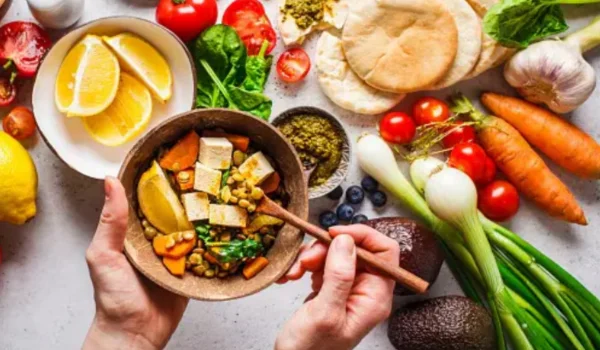
Seasonal eating offers several benefits:
- Fresh and flavorful produce
- Better nutritional value
- Lower grocery costs
- Greater variety in meals
- Support for local farmers
- Naturally available fruits and vegetables
Rotating foods throughout the year also helps you consume a wider range of nutrients.
Seasonal Foods at a Glance
| Season | Foods to Include |
| Summer | Watermelon, Mango, Cucumber, Coconut Water, Curd |
| Monsoon | Ginger, Garlic, Bottle Gourd, Steamed Foods, Soups |
| Winter | Oranges, Carrots, Spinach, Sesame Seeds, Millets |
| Spring | Papaya, Guava, Green Vegetables, Lentils |
| Autumn | Apples, Pomegranate, Pumpkin, Sweet Potato |
These foods are commonly available during their respective seasons, although availability may vary by region.
Best Foods for Summer (March to June)
Hot weather increases the body’s need for fluids and refreshing foods.
- Watermelon
Watermelon is one of the most popular summer fruits.
Benefits
- High water content
- Refreshing
- Low in calories
- Contains Vitamin C
- Cucumber
Cucumber is widely used in salads and raita.
Benefits
- Hydrating
- Low in calories
- Easy to digest
- Mango
Mango is known as the “King of Fruits.”
Benefits
- Rich in Vitamin A and Vitamin C
- Provides natural energy
- Contains antioxidants
Enjoy mango in moderation as part of a balanced diet.
- Coconut Water
Natural coconut water is a refreshing beverage.
Benefits
- Helps maintain hydration
- Contains natural electrolytes
- Low in fat
- Curd
Curd is commonly eaten during summer.
Benefits
- Good source of protein
- Contains calcium
- Includes probiotics that support gut health
Popular dishes include curd rice, raita, and buttermilk.
Best Foods for the Monsoon (July to September)
The rainy season calls for fresh, well-cooked meals and proper food hygiene.
- Ginger
Ginger is commonly added to tea, soups, and curries.
Benefits
- Adds flavor
- Contains natural plant compounds
- Garlic
Garlic is widely used in Indian cooking.
Benefits
- Enhances the taste of food
- Contains beneficial plant compounds
- Bottle Gourd (Lauki)
Bottle gourd is a light vegetable.
Benefits
- Easy to digest
- Low in calories
- Suitable for many traditional recipes
- Soups
Fresh vegetable soups are comforting during rainy weather.
You can prepare soups using:
- Tomatoes
- Pumpkin
- Carrots
- Lentils
- Steamed Foods
Steamed foods such as idli, dhokla, and vegetable momos are lighter than deep-fried snacks.
They can be part of a balanced meal when prepared hygienically.
Best Foods for Winter (October to February)
Winter brings a wide variety of fruits, vegetables, and grains.
- Oranges
Winter is the peak season for oranges.
Benefits
- Rich in Vitamin C
- Supports immune function
- Refreshing and naturally sweet
- Carrots
Fresh carrots are widely available during winter.
Benefits
- Rich in beta-carotene
- Good source of fiber
- Can be eaten raw or cooked
- Spinach (Palak)
Spinach is a nutritious leafy vegetable.
Benefits
- Contains iron
- Rich in Vitamin A
- Good source of folate
- Sesame Seeds (Til)
Sesame seeds are commonly used in winter sweets.
Benefits
- Good source of calcium
- Contains healthy fats
- Adds flavor and texture
- Millets
Millets such as bajra and jowar are traditional winter foods in many parts of India.
Benefits
- Rich in fiber
- Provide sustained energy
- Contain essential minerals
Best Foods for Spring
Spring offers a variety of fresh produce.
Popular Choices
- Papaya
- Guava
- Green leafy vegetables
- Lentils
- Fresh herbs
These foods provide vitamins, minerals, and dietary fiber.
Best Foods for Autumn
Autumn is another season with abundant fresh produce.
Popular foods include:
- Apples
- Pomegranate
- Pumpkin
- Sweet Potato
- Seasonal leafy vegetables
These ingredients can be included in soups, curries, salads, and snacks.
Seasonal Fruits to Include
Try eating different fruits throughout the year.
Summer
- Mango
- Watermelon
- Muskmelon
- Litchi
Monsoon
- Guava
- Pear
- Plum
Winter
- Orange
- Apple
- Strawberry
- Grapes
Choosing seasonal fruits often provides better taste and value.
Seasonal Vegetables
Rotate vegetables according to availability.
Summer
- Cucumber
- Bottle Gourd
- Ridge Gourd
Monsoon
- Pumpkin
- Okra
- Bitter Gourd
Winter
- Carrot
- Cauliflower
- Peas
- Spinach
- Radish
A colorful variety of vegetables helps provide different nutrients.
Tips for Healthy Seasonal Eating
Simple habits can improve your diet throughout the year:
- Buy seasonal fruits and vegetables.
- Wash produce thoroughly.
- Drink enough water every day.
- Include whole grains and lentils.
- Limit highly processed foods.
- Cook fresh meals whenever possible.
Seasonal eating does not require expensive ingredients.
Common Seasonal Food Myths
Myth 1: Cold foods always cause illness during winter.
Fact: Healthy individuals can enjoy a balanced diet in every season. Overall nutrition and food hygiene are more important than avoiding specific foods.
Myth 2: Mango should be completely avoided.
Fact: Mango can be part of a healthy diet when eaten in moderation.
Myth 3: Seasonal fruits are less nutritious than imported fruits.
Fact: Locally grown seasonal fruits are often fresher, more affordable, and highly nutritious.
Frequently Asked Questions
Why is seasonal eating recommended?
Seasonal foods are generally fresher, more flavorful, and often more affordable because they are harvested during their natural growing period.
Which fruits are best during summer?
Watermelon, mango, muskmelon, and litchi are among the most popular summer fruits in India.
What should I eat during winter?
Winter is a good time to enjoy oranges, carrots, spinach, millets, sesame seeds, peas, and seasonal leafy vegetables.
Are seasonal foods healthier?
Seasonal foods are often fresher and can provide excellent nutritional value when included as part of a balanced diet.
Can I eat the same foods throughout the year?
Yes, but adding seasonal fruits and vegetables increases dietary variety and helps you consume a broader range of nutrients.
Conclusion
Eating according to the seasons is a simple and practical way to enjoy fresh, nutritious, and affordable food throughout the year. India’s diverse climate provides an abundance of seasonal fruits, vegetables, grains, and traditional recipes that naturally fit different weather conditions.
By including hydrating foods in summer, warm and freshly cooked meals during the monsoon, and nutrient-rich fruits and vegetables in winter, you can build a balanced diet that supports your overall well-being. Combine seasonal eating with regular physical activity, adequate hydration, and healthy lifestyle habits to make the most of nature’s changing harvests.

No comments yet